

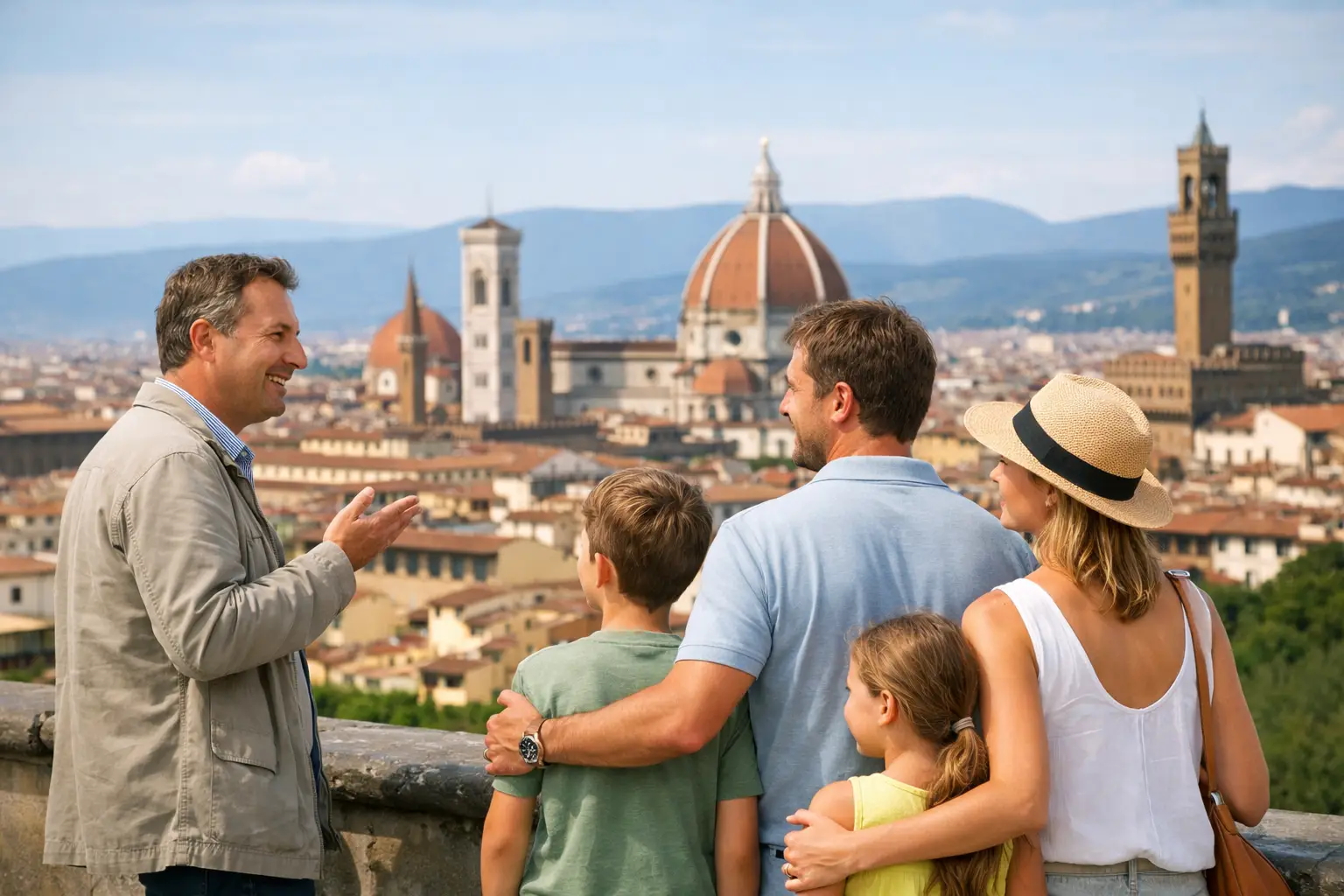
A family trip to Italy can look perfect on paper and still feel stressful in real life. A museum that fascinates grandparents may lose a child in ten minutes. A beautiful hill town can become exhausting if the pace is wrong. And a dream itinerary across Rome, Florence, Venice, Tuscany, and the Amalfi Coast quickly becomes complicated when different ages, interests, and energy levels all need to work together. That is exactly why private Italian family tours have become such a smart choice for families who want more than a standard vacation.
The appeal is not just privacy. It is the ability to shape the trip around the people taking it. For one family, that means art and history with time for long lunches and comfortable transfers. For another, it means hands-on food experiences, shorter touring windows, and room for children to enjoy Italy without being asked to move like adults. The difference matters because family travel is rarely about seeing the most. It is about creating a trip everyone can actually enjoy together.
What makes private Italian family tours different
A private family tour changes the structure of the trip from the start. Instead of fitting your family into a pre-set schedule, the itinerary is built around your pace, priorities, and practical needs. That may sound like a luxury detail, but in Italy it often makes the difference between a trip that feels crowded and one that feels beautifully considered.
Private touring allows for timing that reflects real family life. Early access may be ideal for some groups, while others do better with slower mornings and afternoon activities. A family traveling with teenagers may want more independence built into certain destinations. A multi-generational group may need minimal walking, private drivers, and hotel locations that reduce strain. These are not small adjustments. They shape the entire experience.
There is also a cultural advantage. With private guidance, families can move beyond surface-level sightseeing and into experiences that feel more personal. A city like Rome becomes easier to enjoy when the day is arranged around your interests rather than a bus schedule. Florence feels more welcoming when art is interpreted in a way children and adults can both connect with. Tuscany becomes more than a postcard when time is made for a family meal, a slower countryside afternoon, or a village visit that would be hard to manage on your own.
The real value for multi-generational travel
Italy is one of the best destinations for multi-generational travel because it naturally offers shared pleasures - food, beauty, history, seaside time, and a rhythm that invites connection. But it also asks for careful planning. Cobblestone streets, museum lines, transfers between regions, and full sightseeing days can become tiring quickly when grandparents, parents, and children are all traveling together.
This is where private Italian family tours earn their value. They create alignment without forcing uniformity. Everyone can be part of the same journey, but not every day has to be designed in exactly the same way for every person. That flexibility is especially useful when families want to stay together while still respecting different interests and capacities.
A well-designed private itinerary can include quiet moments as intentionally as headline sights. That might mean balancing a guided morning in Venice with free time by the water, or pairing a day of touring in Florence with a relaxed countryside dinner later on. Families often remember those transitions just as vividly as the major attractions because they leave room for conversation, laughter, and the kind of memory-making that cannot be scheduled by the hour.
Where private touring makes the biggest difference in Italy
Some destinations especially reward a private approach. Rome, for example, can be exhilarating and overwhelming in equal measure. With a family, the right route, the right pace, and the right guide change everything. Instead of trying to cover every ancient site, a private day can focus on the stories and places that match your family best.
Florence is another city where private touring helps bridge generations. Adults may be drawn to Renaissance art and architecture, while younger travelers may respond better to shorter visits and more interactive experiences. A customized day can do both without making anyone feel like they are waiting for the other half of the group to finish.
Venice benefits from private planning because logistics matter there more than many first-time visitors expect. Water transfers, hotel positioning, walking distances, and timing all shape how restful or demanding the city feels. Families who want to experience Venice at its most magical usually benefit from an itinerary that reduces friction rather than adds to it.
Then there are regions like Tuscany and the Amalfi Coast, where scenic beauty is part of the appeal but transportation and geography can complicate a trip. Private arrangements allow families to enjoy the landscape without spending their vacation negotiating routes, parking, or overly long travel days. That is particularly valuable when young children or older relatives are part of the group.
Personalization is not indulgence - it is smart planning
Many families assume customization is mostly about luxury touches. In reality, it is often about making good decisions before problems arise. The best private family trips are not packed with extras for the sake of it. They are thoughtfully edited.
That might mean staying longer in fewer places rather than rushing through the country. It might mean choosing accommodations that make daily movement easier, even if they are not the trendiest option. It might mean skipping one famous site in favor of an experience that the family will enjoy more, such as a cooking class, a food market visit, or an afternoon in the countryside.
There is a trade-off here, and it is worth acknowledging. Private travel does require a higher investment than a standard group package. But for families who value comfort, time, and a more meaningful experience, the return is often obvious. Less waiting, less confusion, less compromise, and more time spent enjoying Italy together can justify the decision very quickly.
How the best family itineraries are actually built
Strong family itineraries begin with questions, not assumptions. How old are the children? Are grandparents joining? Is the family interested in art, food, history, the coast, or a mix of everything? How much movement between destinations feels exciting, and how much feels tiring? What level of independence do parents want once they arrive?
Those answers shape the rhythm of the trip more than any list of famous attractions. Families who love culture may still need downtime. Families who want the Amalfi Coast may be happier pairing it with Rome than trying to add too many stops. A first trip to Italy often benefits from focus rather than breadth.
This is one reason bespoke planning matters so much. A well-curated family trip is not simply a luxury vacation with private drivers. It is a travel experience designed with emotional intelligence. It considers who the family is, how they travel, and what they want to remember when they get home.
For some, that memory is a child tossing fresh pasta flour in a Tuscan kitchen. For others, it is grandparents sharing stories in a Roman piazza at sunset while the younger generation plays nearby. These moments feel effortless when the planning behind them is careful.
Why families often come home feeling they experienced more, not less
There is a common fear that slowing down means missing out. In Italy, the opposite is often true. Families who travel privately and thoughtfully tend to experience places more deeply because they are not constantly recovering from the pace of their own itinerary.
They notice more. They enjoy meals instead of rushing through them. They have the energy for evening walks, spontaneous gelato stops, and conversations that become part of the trip itself. The vacation feels less like a checklist and more like shared time in a country that rewards presence.
That is the real strength of private Italian family tours. They turn a complex family vacation into a more graceful, personal experience - one that reflects the people traveling, not just the destination. For families who want Italy to feel memorable in all the right ways, that kind of care is not extra. It is the reason the trip works.
When your family is traveling across generations, the best itinerary is usually not the one that promises the most. It is the one that leaves everyone with space to enjoy Italy, one another, and the moments that will still feel vivid years later.