Every year, millions of Americans visit Italy and have wonderful, trouble-free experiences. The country is remarkably safe, the people are warm, and violent crime against tourists is extremely rare. But petty scams do exist in busy tourist areas, and the best defense is knowing what to look for. This guide covers the most common scams in Italy — and exactly how to avoid them.
The Bracelet or "Friendship" String Scam
This is one of the most common scams in Rome, Florence, and Venice. A friendly person approaches you and quickly ties a woven bracelet or colorful string around your wrist before you can react. Once it is on, they demand payment — often aggressively — and refuse to take it off unless you pay €5, €10, or even more.
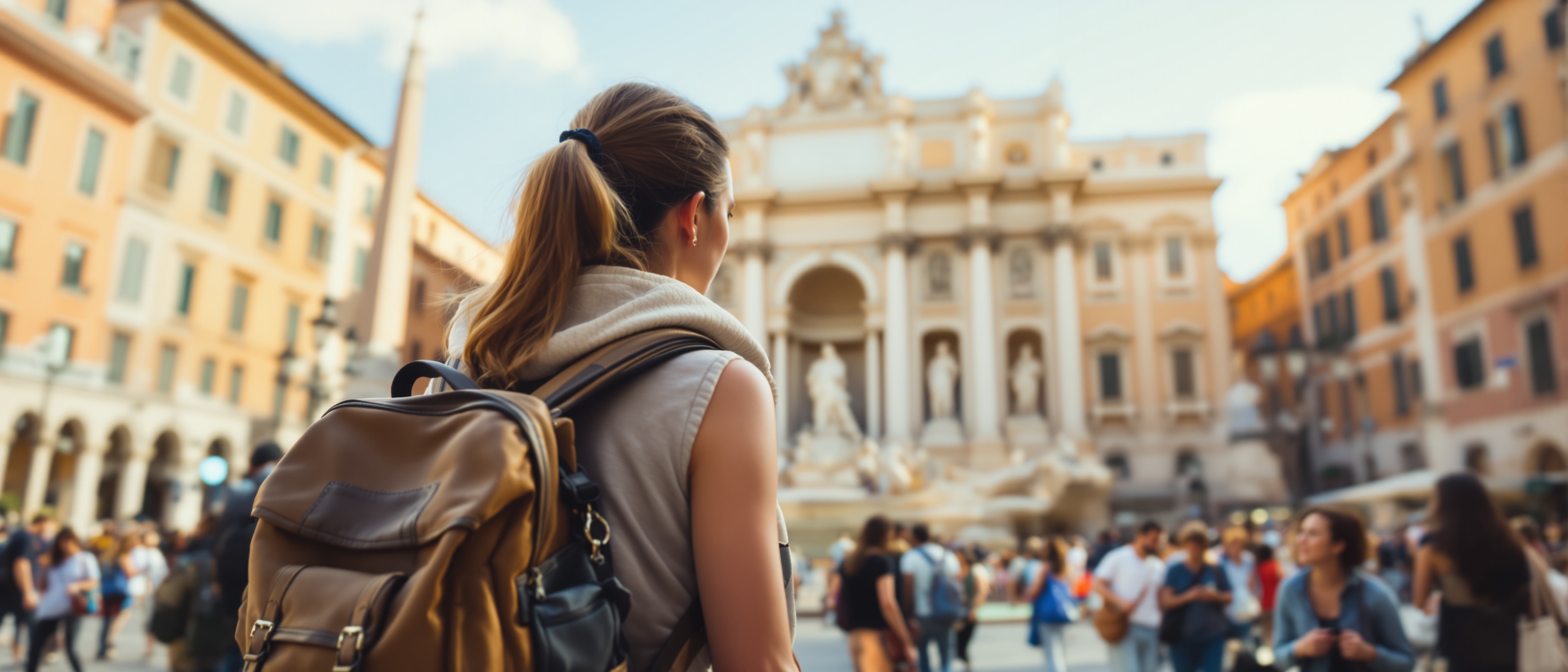
It usually happens near major landmarks like the Colosseum, Trevi Fountain, Spanish Steps, and Ponte Vecchio. The scammers work in groups and can be very persistent.
How to avoid it:
Keep your hands in your pockets or crossed when walking through crowded tourist areas. If someone approaches you with string or bracelets, say "no" firmly, keep walking, and do not engage. Do not let them touch your wrist.
The "Free" Rose Scam
A man approaches couples (especially at outdoor restaurants or in romantic spots like Venice or the Spanish Steps) and hands a rose to the woman, saying it is a gift. The moment she accepts it, he turns to the man and demands payment. If you refuse, he may become aggressive or insist the rose was not free.
How to avoid it:
Do not accept flowers, rosemary, or any "gift" from strangers on the street. A firm "no grazie" while keeping your hands at your side is usually enough. If they place the item on your table, do not touch it — signal the restaurant staff.
The Petition or Clipboard Scam
Usually perpetrated by groups of young people (often claiming to be deaf or mute), this scam involves clipboard-wielding individuals asking you to sign a petition for a charity or cause. While you are distracted reading or signing, an accomplice pickpockets you. Even if you are not pickpocketed, they may demand a "donation" after you sign.
How to avoid it:
Never sign anything on the street. Keep your bag zipped and in front of you when people approach with clipboards. Walk away without explanation — you do not owe them a response.
Fake Police Officers
Scammers in plain clothes may flash a fake badge and claim to be police investigating counterfeit currency. They ask to see your wallet or passport, then either steal cash directly or swap your real bills for fake ones while "checking" them.
Real Italian police (Polizia or Carabinieri) wear uniforms and will never ask to inspect your wallet or cash on the street.
How to avoid it:
Never hand over your wallet to anyone claiming to be police. If approached, ask to see official identification and tell them you will go to the nearest police station together. Real officers will not object. Walk away and call 112 (Italy's emergency number) if you feel unsafe.
Taxi Overcharging
Unlicensed taxi drivers at airports and train stations may approach you offering a "fixed price" ride that turns out to be double or triple the metered fare. Some licensed drivers also claim their meter is broken or take unnecessarily long routes to inflate the fare.
How to avoid it:
Only use official taxis from designated ranks (white cars with a "TAXI" sign on top). In Rome and Milan, there are fixed airport rates — ask for the fixed fare before departing. Make sure the meter is running. Use ride apps like Free Now or ItTaxi for transparency.
Restaurant Bill Tricks
Most restaurants in Italy are honest, but a few tourist traps near major landmarks use shady billing practices. Common tricks include charging for bread (pane) or water you did not order, adding a "service charge" that was not listed on the menu, or presenting a handwritten bill with inflated prices.
Another version: menus without prices, or dual menus — one with low prices to lure you in, and another with much higher prices presented at checkout.
How to avoid it:
Eat where locals eat — restaurants filled with Italians are almost always honest. Ask for a menu with prices before sitting down. Check your bill carefully and question anything you did not order. The coperto (cover charge) is legal and normal, but it should be stated on the menu.
Pickpockets in Crowded Areas
Pickpocketing is the most common crime affecting tourists in Italy. It happens on crowded buses, at train stations, in busy piazzas, and around major tourist attractions. Teams often work together — one person distracts you while another takes your wallet, phone, or bag.
Common distraction tactics include bumping into you, spilling something on you, asking for directions, or creating a commotion nearby.
How to avoid it:
Wear a crossbody bag with the zipper facing your body. Keep your phone in a front pocket, not a back pocket. Be extra vigilant on buses, trains, and in crowds. Do not hang bags on chair backs at outdoor cafes. A simple RFID-blocking wallet is a good investment.
ATM Skimming
Criminals install fake card readers or hidden cameras on ATMs to capture your card details and PIN. These devices can be hard to spot but are most commonly found on standalone ATMs in tourist areas rather than bank-branch machines.
How to avoid it:
Use ATMs inside bank branches during business hours. Inspect the card slot for anything loose or unusual. Cover the keypad with your hand when entering your PIN. Withdraw larger amounts less frequently to minimize ATM visits. Notify your bank immediately if you notice anything suspicious.
How to Protect Yourself
- Stay alert in crowded tourist areas — scams happen where tourists are most concentrated.
- Do not engage with street vendors who approach you unsolicited.
- Keep valuables in a money belt or hidden pouch, not in back pockets.
- Use bags with zippers and wear them across your body, not over one shoulder.
- Be wary of anyone who is overly friendly or pushy near landmarks.
- Verify taxi fares before getting in — ask for the meter or a fixed airport rate.
- Check restaurant bills carefully and question charges you do not recognize.
- Make digital copies of your passport and keep them in the cloud.
- Trust your instincts. If something feels off, it probably is.
What to Do If You Are Scammed
If you realize you have been scammed, stay calm and take action quickly. For theft or fraud, report it to the nearest Polizia or Carabinieri station. You will need a police report (denuncia) to file insurance claims or replace stolen documents.
If your passport is stolen, follow our step-by-step guide here. Contact your bank immediately to freeze cards. If you lose money to a scam, unfortunately recovery is unlikely — but reporting it helps Italian authorities track patterns and protect future travelers.
Emergency numbers in Italy:
- 112 — General emergency (police, medical, fire)
- 113 — Police
- 118 — Medical emergency
See the complete emergency numbers guide with embassy contacts
The Bottom Line
Italy is a spectacularly safe destination. These scams are annoying but not dangerous — and they are easily avoided once you know what to look for. The vast majority of Italians are honest, warm, and genuinely happy to welcome visitors. Do not let the fear of scams keep you from enjoying one of the most beautiful countries in the world.
A little awareness goes a long way. Travel with confidence, keep your wits about you in busy areas, and spend your energy on what matters: the food, the art, the history, and the unforgettable moments Italy offers.
Emergency Numbers in Italy (Quick Reference)
112
General Emergency
113
Police
118
Ambulance
115
Fire Department
Want more Italy travel tips?
Get practical advice, safety updates, and insider recommendations delivered to your inbox before every trip.
Subscribe on Substack